
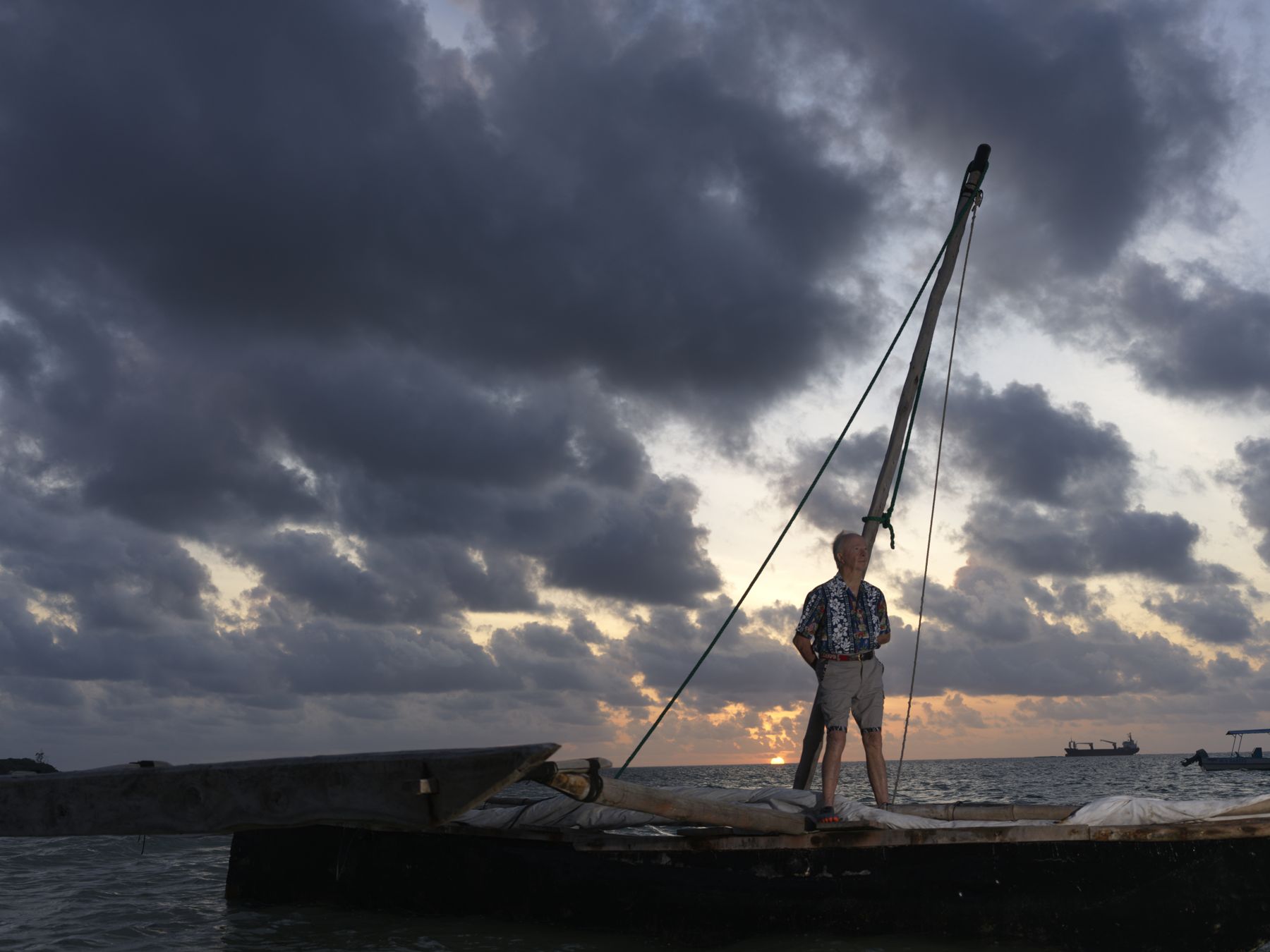
The Journey
Eight chapters. Eight lessons.
Some journeys are measured in distance. Others by the moments that change the way we see.
Some journeys are measured in distance. Others by the moments that change the way we see. Looking back, the milestones that matter most are not simply the assignments or photographs I made, but the moments that changed something in me.
Where it began

A Small Photo Shop, Nairobi
My journey began in a small photographic shop on the streets of Nairobi, where I worked during the school holidays to help pay my high school fees. People would come in for something as simple as an instant Polaroid passport photograph, yet I noticed how often they walked out smiling.
I didn’t know it then, but I was beginning to understand that photography could make people feel something about themselves.
A photograph could do more than show someone how they looked. It could change how they felt.
Learning to see beyond the frame
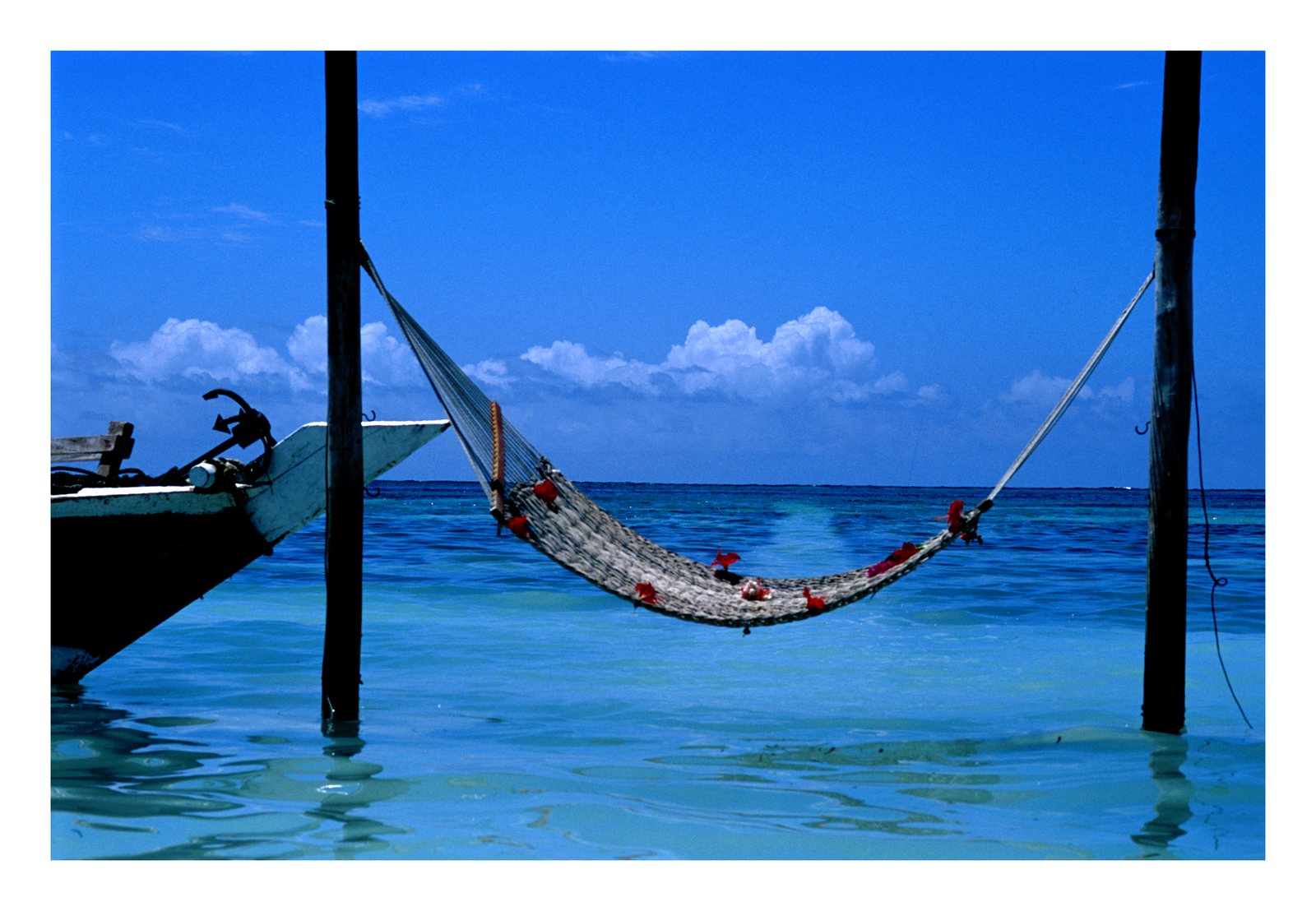
Brochure Photography
Photographing high-end lodges taught me that beautiful light and a good camera were not enough. I had to visualise the finished brochure before I began shooting — to understand how individual photographs would work together, what they needed to communicate and, importantly, what they should make someone feel.
I was learning to work backwards from an idea: first seeing the story in my mind, then creating the photographs that would bring it to life.
I was no longer thinking only about the photograph. I was beginning to think about the story.
Embracing change

From Analogue to Digital
I began with medium-format analogue photography, where every frame demanded patience, discipline and intention. Then digital arrived and changed the possibilities of photography. I chose to embrace it — to experiment, learn and understand what technology could add to the creative process.
But through all that change, one thing became increasingly clear.
Technology changed the way I made photographs. It did not change why I made them.
When the photographs began to speak
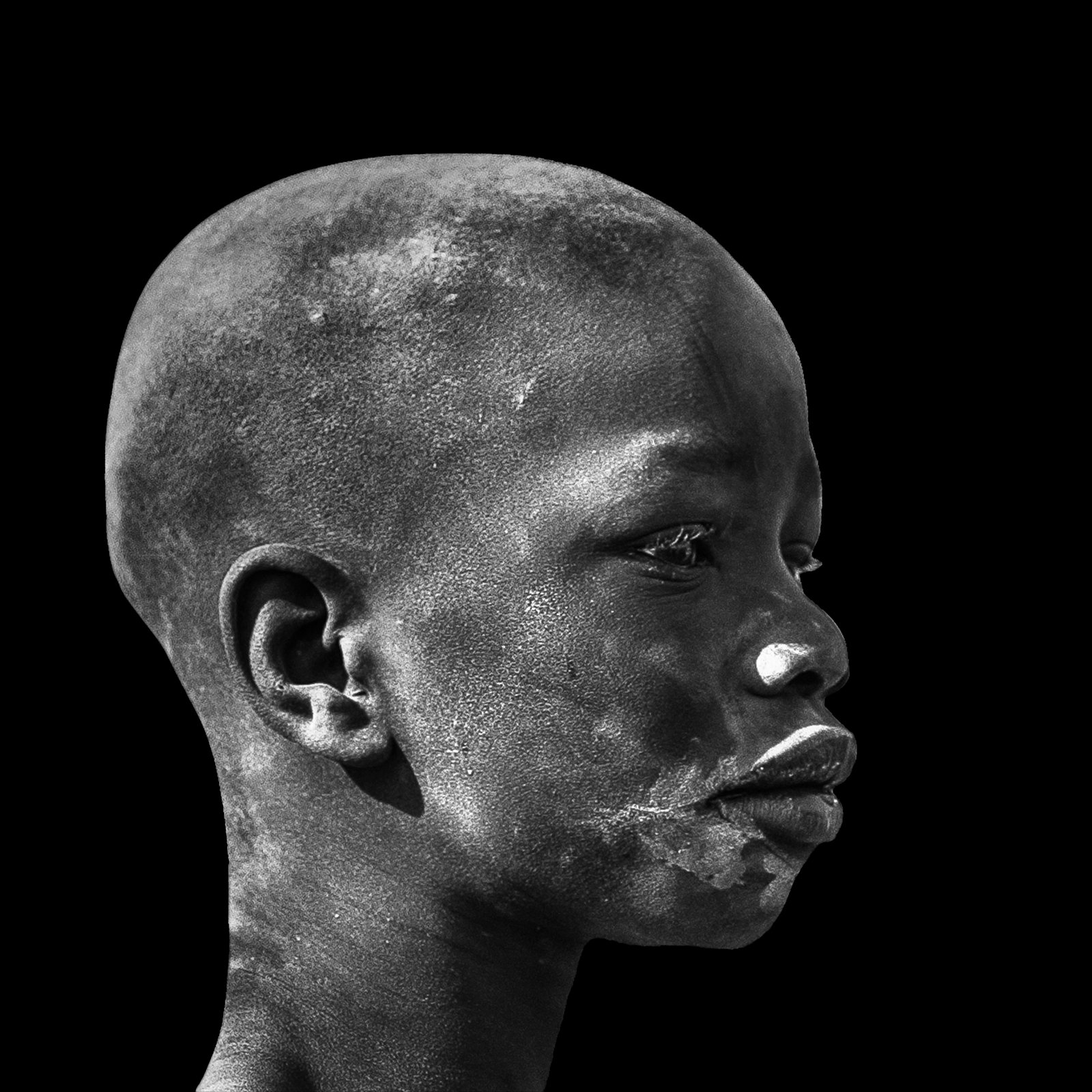
Forgotten Face — Southern Sudan & My First Exhibition
I returned from a photographic project in southern Sudan called Forgotten Face carrying more than a collection of images. I had witnessed people, places and moments that deserved to be seen beyond the circumstances in which I had encountered them.
Those photographs became my first photographic exhibition. For the first time, the work moved beyond the experience of making photographs and entered a public space, where people I had never met could stand before an image and find their own connection to it.
It made me understand that once a photograph leaves the photographer’s hands, its story begins another journey.
I made the photograph, but I could not decide what another person would feel when standing before it.
When someone took the story home

My First Photograph Sold
Then came another unexpected moment. Someone standing in front of one of my photographs at an exhibition wanted to buy it.
Of course, selling a photograph mattered professionally, but something else mattered more to me. A person I did not know had connected with an image strongly enough to want to take it home, live with it and make it part of their own space.
The photograph had begun with my experience, but its meaning no longer belonged only to me.
Sometimes a photograph finds a story beyond the one the photographer intended.
When the story became a book
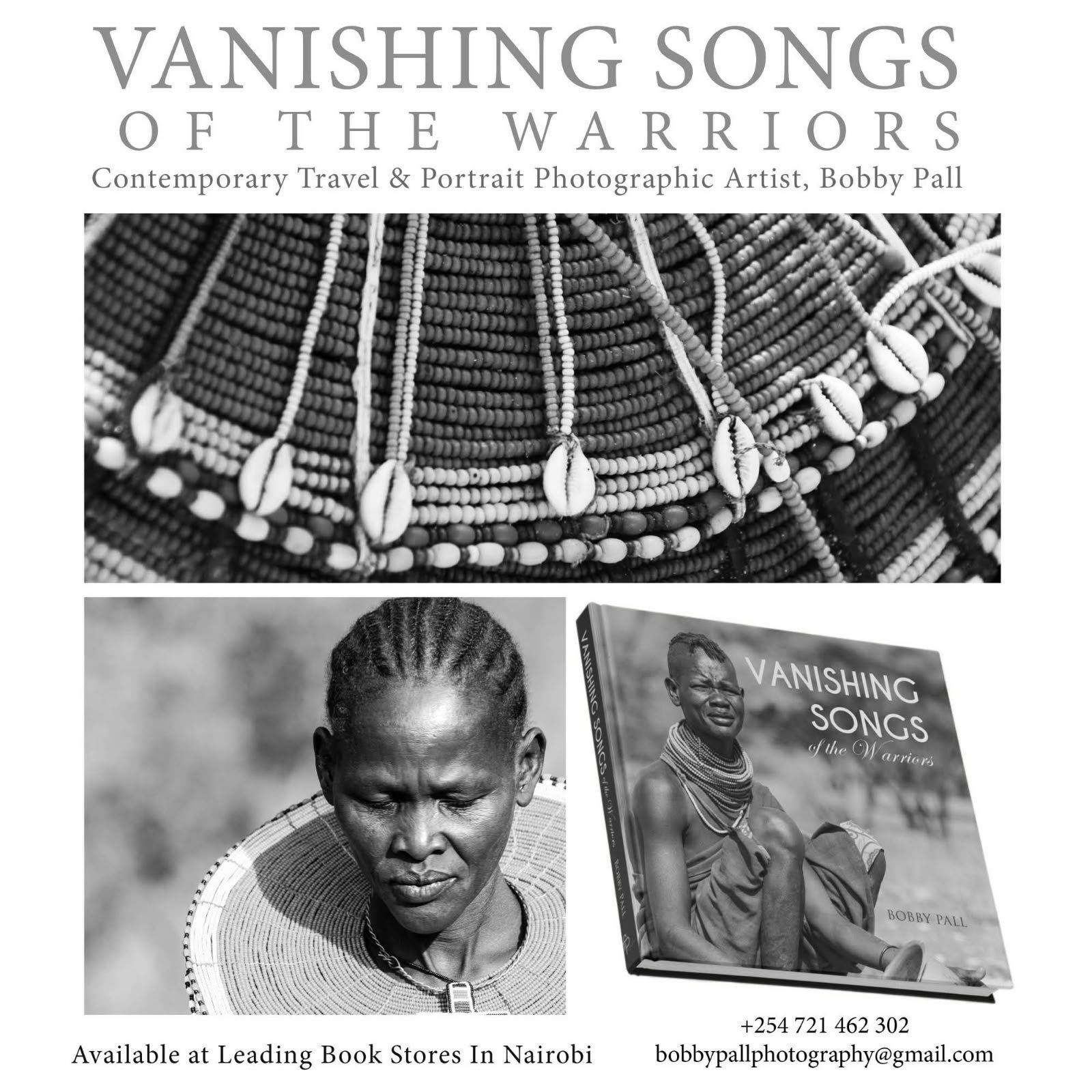
Vanishing Songs of the Warriors
Publishing my first photographic book, Vanishing Songs of the Warriors, changed my understanding of what a body of photographs could become.
Individual images could now sit beside one another, build upon one another and preserve something larger than a single moment. The book gave the photographs permanence. They became pages that could be held, revisited and, perhaps one day, passed from one generation to another.
It brought me closer to something that has become increasingly important in my work: legacy.
An exhibition taught me that photographs could speak. A book taught me that their stories could remain.
Photography in the service of hope
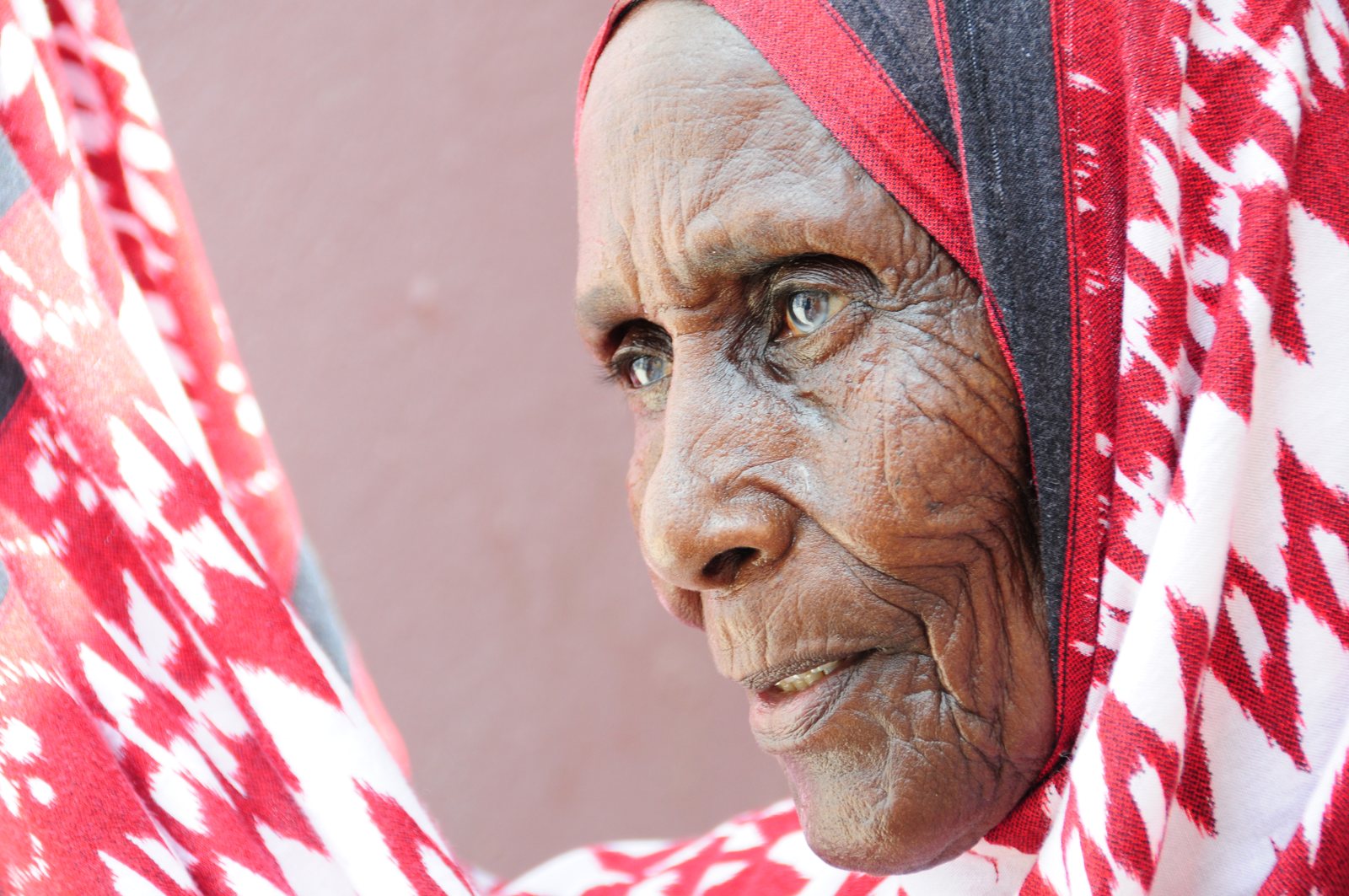
Stories of Hope — Somalia
Working as a consultant with UNFPA Somalia on Stories of Hope took my photography into another world. Here, the camera was not simply there to make beautiful images. It had a responsibility to listen, to witness and to communicate the experiences of people whose stories might otherwise remain unheard.
Working in Somalia reinforced something I had been gradually learning throughout my journey: human-interest photography begins with the human being, not the photograph. The camera gives us access, but that access carries responsibility.
To tell someone’s story, you must first respect the person who has entrusted you with it.
In service to humanity
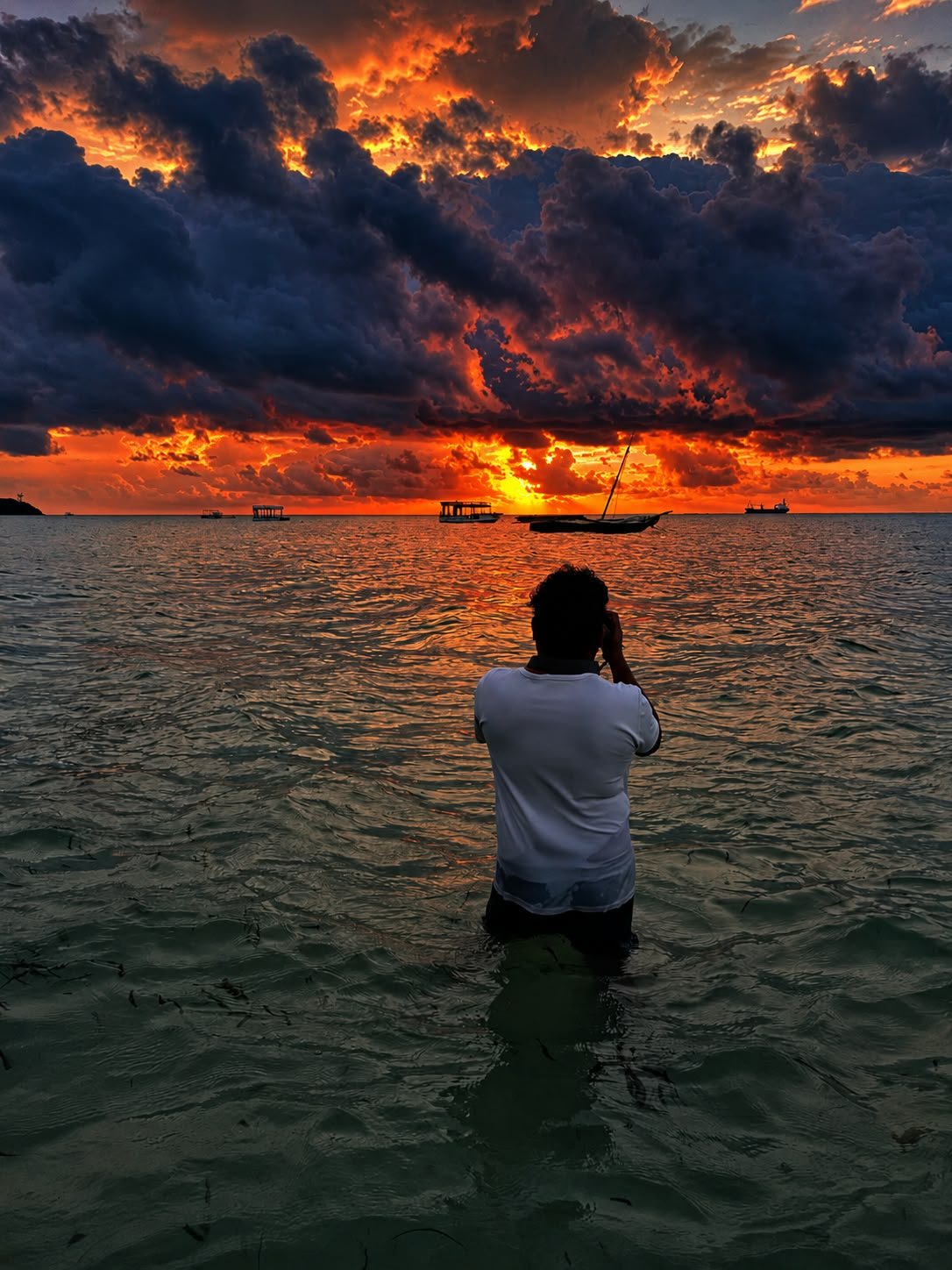
Kenya Red Cross Society
Becoming the main photographer for the Kenya Red Cross Society coffee-table book In Service to Humanity brought together many of the lessons photography had taught me.
The assignment was about much more than documenting an organisation. Behind the institution were people — those serving, those responding and those whose lives had been changed by circumstances beyond their control.
The book went on to receive publication recognition, which was an important professional achievement. But for me, the deeper value was having contributed to a visual record of humanitarian service and the people behind it.
The most important stories are not always about extraordinary people. Sometimes they are about ordinary people doing extraordinary things.
The journey continues
What is the story?
Every chapter has added something: a different way of seeing, another lesson, another question.
I began in a small photographic shop watching people smile as they walked away with a Polaroid passport photograph. I could never have known where photography would take me — into lodges and boardrooms, across borders, into communities, exhibitions and books, and into the lives of people whose stories I have been privileged to witness.
The cameras have changed. The technology continues to change. I continue to change. But something from that little photographic shop in Nairobi has never left me: the curiosity to understand what a photograph can mean to another human being.
And perhaps that is why, after all these years, I am still asking the same question every time I raise the camera:
What is the story?
Let’s start a conversation.
For commissions, collaborations, exhibitions, speaking engagements and books.